Understanding the Glass Transition Temperature of Hpmc

By:Admin on 2025-03-13 03:29:44

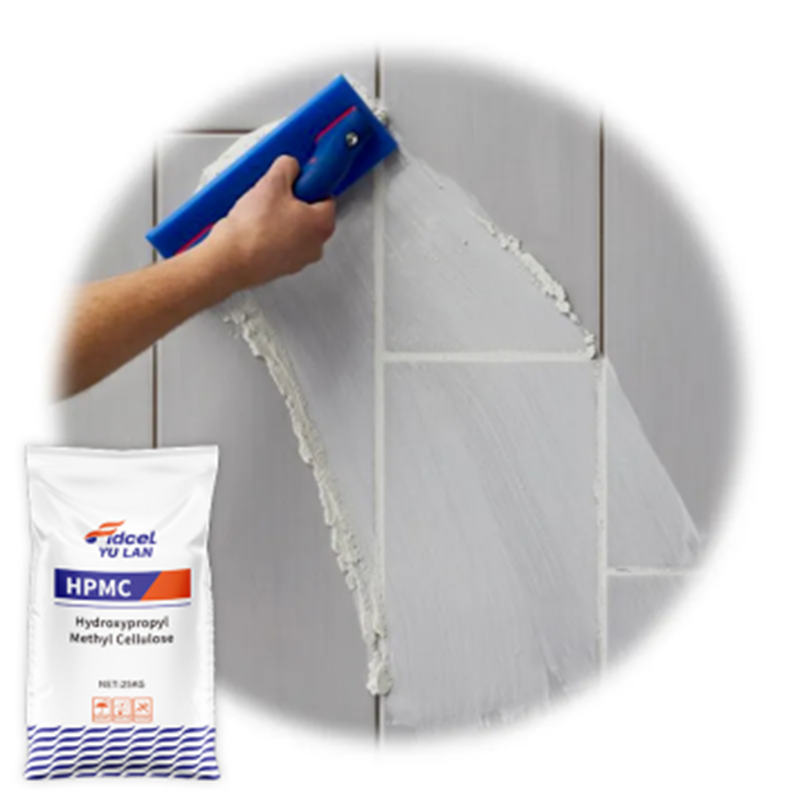
The glass transition temperature is an important property of Hpmc that plays a significant role in its application. It essentially refers to the temperature at which the material transitions from a glassy state to a rubbery state. For Hpmc, this transition temperature is a critical factor in determining its performance under various conditions.Hpmc, or hydroxypropyl methyl cellulose, is a versatile material that is widely used in industries such as construction, pharmaceuticals, and food production. It is valued for its ability to provide a range of beneficial properties, including thickening, binding, and film-forming. Its glass transition temperature is a key characteristic that influences its strength, flexibility, and thermal stability.In recent news, there has been a significant focus on understanding and optimizing the glass transition temperature of Hpmc. This is particularly important for industries that rely on the material for its mechanical and thermal properties. By gaining a deeper insight into this aspect of Hpmc, companies can fine-tune their production processes and develop products with enhanced performance and durability.One company at the forefront of this research is {}, a leading manufacturer of Hpmc. With state-of-the-art facilities and a team of skilled researchers and engineers, {} has been actively studying the glass transition temperature of Hpmc and its implications for various applications.By conducting thorough experimentation and analysis, {} has made significant strides in elucidating the factors that influence the glass transition temperature of Hpmc. This research has led to the development of innovative methods for controlling and manipulating this critical property, paving the way for enhanced Hpmc products that offer superior functionality and reliability.One area where the glass transition temperature of Hpmc has profound implications is in the construction industry. As a key ingredient in building materials such as tile adhesives, cement renders, and gypsum-based products, Hpmc's glass transition temperature directly impacts the strength and stability of these construction materials. By precisely tailoring the glass transition temperature of Hpmc, {} has been able to offer construction companies advanced solutions that exhibit exceptional performance in a wide range of environmental conditions.Moreover, the pharmaceutical industry also stands to benefit from a deeper understanding of the glass transition temperature of Hpmc. With its widespread use in drug formulations, Hpmc plays a crucial role in ensuring the controlled release and stability of pharmaceutical products. By optimizing the glass transition temperature of Hpmc, {} has been able to provide pharmaceutical companies with specialized grades of the material that meet the stringent requirements of drug delivery systems, leading to improved efficacy and patient compliance.In the food industry, the glass transition temperature of Hpmc plays a vital role in food packaging and preservation. {}'s research in this area has resulted in the development of Hpmc-based materials that offer exceptional barrier properties and mechanical strength, extending the shelf life of perishable food products and reducing food waste.As {} continues to push the boundaries of Hpmc research, the potential for innovative applications of this versatile material continues to expand. With a keen focus on the glass transition temperature of Hpmc, the company is poised to revolutionize industries and offer cutting-edge solutions that meet the evolving needs of a diverse range of sectors.In conclusion, the glass transition temperature of Hpmc is a crucial property that significantly influences its performance across various industries. Through extensive research and development, {} has emerged as a pioneer in unraveling the complexities of Hpmc's glass transition temperature and leveraging this knowledge to engineer advanced solutions that set new benchmarks for quality and reliability. As the company continues to invest in this critical area of study, the future holds great promise for the continued evolution of Hpmc and its myriad applications.

Read More

What is HPMC E 464 and its uses in various industries

By:Admin on 2025-03-10 05:24:27

Hpmc E 464, also known as hydroxypropyl methylcellulose, is a versatile and multifunctional ingredient used in a wide variety of applications such as pharmaceuticals, food, construction, and personal care products. It is a non-ionic cellulose ether that is derived from natural polymer cellulose and is hypoallergenic, non-carcinogenic, and biodegradable. This makes it a safe and environmentally friendly ingredient that has gained popularity in the industry.{Company Name} is a leading manufacturer and supplier of Hpmc E 464, with a strong commitment to quality, innovation, and sustainability. With years of experience in the industry, {Company Name} has established itself as a trusted and reliable partner for businesses looking for high-quality Hpmc E 464 for their products.Hpmc E 464 is widely used in the pharmaceutical industry as a binder, lubricant, film former, and viscosity enhancer in tablets, capsules, and topical formulations. It is also used as a suspending agent in liquid dosage forms and as a stabilizer in emulsions and suspensions. Its versatile properties make it an ideal ingredient for pharmaceutical products, ensuring the safety, efficacy, and stability of the formulations.In the food industry, Hpmc E 464 is used as a thickener, emulsifier, and stabilizer in a wide range of products such as sauces, soups, dressings, dairy products, and baked goods. It improves the texture, appearance, and shelf life of food products, providing a better sensory experience for consumers. With the increasing demand for clean label and natural ingredients, Hpmc E 464 has become a popular choice for food manufacturers looking to meet consumer preferences for safe and high-quality products.The construction industry also relies on Hpmc E 464 for its unique properties such as water retention, workability, and adhesion. It is used in cement-based products, gypsum-based products, and ready-mix plasters to improve their performance and durability. Hpmc E 464 enhances the workability of construction materials, reduces cracking and shrinkage, and improves the overall quality of the finished products. Its contribution to the construction industry has made it an essential ingredient in many building materials and construction projects.In the personal care industry, Hpmc E 464 is used in a wide range of products such as shampoos, conditioners, lotions, creams, and cosmetics. It acts as a thickener, stabilizer, and film former, providing desirable texture, smoothness, and stability to the formulations. With its non-toxic and non-irritating properties, Hpmc E 464 is well-suited for use in personal care products, attracting consumers who are looking for gentle and effective skincare and haircare solutions.{Company Name} prides itself on its commitment to quality and innovation in the production of Hpmc E 464. The company follows strict quality control measures and adheres to international standards to ensure that its products meet the highest quality and safety requirements. With a state-of-the-art production facility and a team of experienced professionals, {Company Name} is dedicated to providing customers with reliable and consistent products that meet their specific needs and requirements.As the demand for Hpmc E 464 continues to grow across various industries, {Company Name} remains at the forefront of the market, offering a wide range of Hpmc E 464 products to meet the diverse needs of its customers. With a focus on sustainability and environmental responsibility, the company is committed to providing sustainable solutions that benefit both businesses and the planet.In conclusion, Hpmc E 464 is a versatile and essential ingredient that plays a critical role in various industries such as pharmaceuticals, food, construction, and personal care. With its unique properties and wide-ranging applications, Hpmc E 464 has become a staple ingredient for many manufacturers looking to enhance the quality, performance, and sustainability of their products. As a leading supplier of Hpmc E 464, {Company Name} continues to be a trusted partner for businesses seeking high-quality and reliable solutions for their product formulations.

Read More
Understanding the Solubility of HPMC: A Comprehensive Guide

By:Admin on 2025-03-06 03:31:26

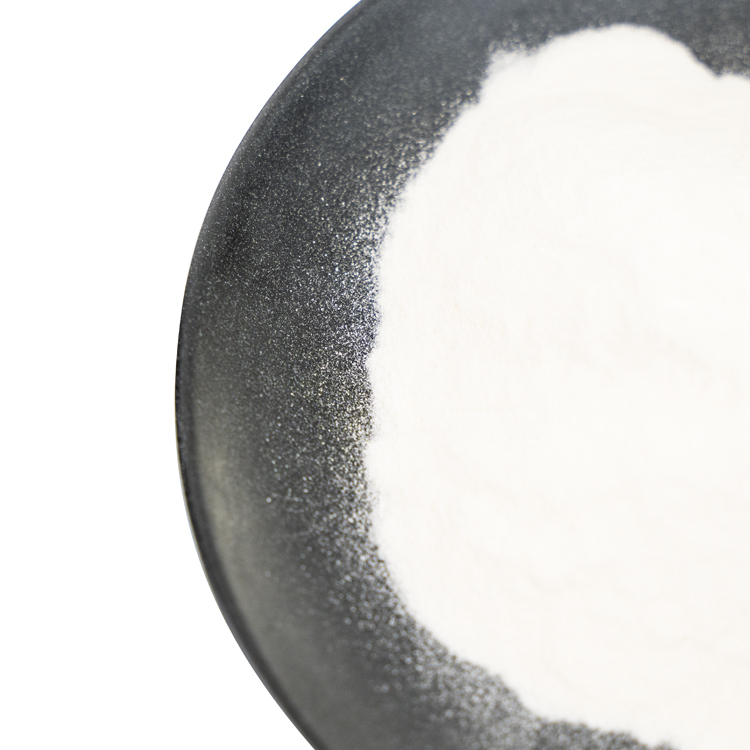
It has been reported that the solubility of Hydroxypropyl methylcellulose (HPMC) has been a topic of increasing interest in the pharmaceutical and other industries. HPMC is a semi-synthetic, inert, viscoelastic polymer that is commonly used as an excipient in pharmaceutical formulations. It can be used as a thickener, binder, film-coating agent, and sustained-release agent in various drug products.The solubility of HPMC is an important aspect to consider in the formulation of pharmaceutical products. It is known that HPMC is soluble in both cold and hot water, but the solubility can vary depending on the grade of HPMC used. The solubility of HPMC is also affected by factors such as pH, temperature, and the presence of other excipients and additives in the formulation.The solubility of HPMC is crucial in determining its functionality in different drug formulations. For example, in controlled-release formulations, the solubility of HPMC can influence the release rate of the active pharmaceutical ingredient. In solid dosage forms, the solubility of HPMC can affect the disintegration and dissolution of the tablet or capsule.Given the importance of HPMC solubility in pharmaceutical formulations, it is essential for pharmaceutical companies and formulators to have a clear understanding of the solubility characteristics of the HPMC grade they are using. This knowledge can help in the development of robust and effective drug products.In this context, {Company Name}, a leading supplier of pharmaceutical excipients, offers a wide range of HPMC grades with different solubility characteristics. The company has been at the forefront of providing high-quality excipients to the pharmaceutical industry and has gained a reputation for its expertise in excipient technology.{Company Name} offers HPMC grades with varying viscosities, particle sizes, and solubility profiles to meet the diverse needs of its customers. The company's HPMC grades are suitable for use in various pharmaceutical formulations, including tablets, capsules, granules, and topical applications.In addition to providing high-quality HPMC grades, {Company Name} also offers technical support and expertise to its customers. The company has a team of experienced scientists and formulators who can assist customers in optimizing their formulations and addressing solubility challenges associated with HPMC.Furthermore, {Company Name} is committed to quality and operates state-of-the-art manufacturing facilities that comply with international quality standards. The company's dedication to quality and innovation has made it a preferred supplier of excipients for many pharmaceutical companies worldwide.In conclusion, the solubility of HPMC is a crucial factor in the formulation of pharmaceutical products, and having a clear understanding of HPMC solubility is essential for formulators. {Company Name} offers a comprehensive range of HPMC grades with different solubility characteristics, along with technical support and expertise to help customers optimize their formulations. With its commitment to quality and innovation, {Company Name} continues to be a trusted partner for pharmaceutical companies seeking high-quality excipients.

Read More